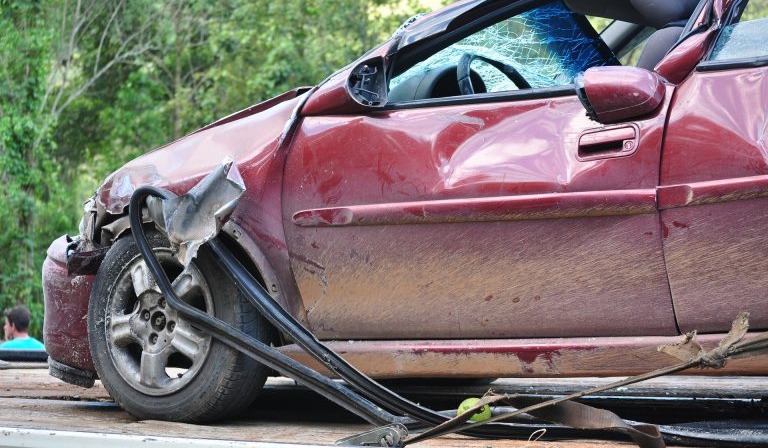
Car insurance is a necessary part of life, much like health insurance and life insurance. You’re required by law to have it to ensure that should you be at fault in an auto accident, the other driver’s medical bills and car repair costs are covered. Of course, car insurance isn’t free; you have to pay for it. Depending on the make and model you drive, your age, your driving history and many other factors, you might be on the hook for quite a bit of money each year to get that protection.
According to the Insurance Information Institute, the average cost of auto insurance per year was $866.31 in 2014, but residents of New Jersey, Michigan and New York paid significantly more – to the tune of over $1,200. Of course, those figures only account for liability coverage. The costs for comprehensive and collision coverage are significantly higher. Thankfully, there are ways to lower your car insurance rates and help you save a bit of green.
Skip the Extras
We all want full coverage insurance. It provides the most protection possible, and also ensures that if you’re at fault in an accident, you’ll be covered in addition to providing coverage for the other driver. However, the fact remains that full coverage insurance is quite costly, and you may not really need it depending on what type of vehicle you drive. You can reduce your car insurance rates by skipping full coverage and going with only the minimum required by your state. Note that every state has different minimum coverage requirements, and if you still owe on your car, you'll be required by your lender to carry full coverage insurance until the loan is paid.
Bundle Your Insurance
Your car is just one of the things you need to insure. Chances are good that you have homeowners' insurance, as well. In some instances, you can save money by bundling your car insurance with your other insurance coverage. You’ll need to contact your insurance company and make sure they provide the coverage that you seek. Next, you’ll need to make sure that you actually do save money this way. While bundling can help you cut your car insurance rates, there are times when you can get a better deal by un-bundling your insurance policies (working with one insurer for homeowners' insurance, and another for car insurance, for instance).
Don’t Drive So Much
How much time do you spend on the road? If you drive very little, or know that you could cut back pretty easily, talk with your insurer. Many companies offer lower rates for low mileage drivers because less time on the road equals less risk to the company. The lower your risk level, the lower your insurance rates will be. If you carpool or have a short commute, this may also qualify you for lower rates. Your insurance company might request proof of low mileage in order to qualify you for the reduced rate, but your wallet will thank you if you take that extra step.
Again, it comes down to a reduction in risk netting you a reduction in rates. The less time you’re on the road, the less risk you pose to the company. Ask your insurance company about usage-based insurance, pay-as-you-drive programs and telematics programs to see what options are available to you.
Keep Your Credit in Good Shape
It might sound strange, but insurance companies will offer lower rates if you have good credit. This is because statistics show that on average, people who are more financially responsible are also less likely to get into an accident. Maintaining good credit can be challenging but it can be done. You’ll need to set a monthly budget and then stick to it. Pay your bills on time, every time. A single late payment can drop your credit score, so make sure you’re not late. You should also get a copy of your credit report from each of the three credit bureaus (Experian, Transunion and Equifax). You’re entitled to one free copy of your report every year, and you can get started by visiting AnnualCreditReport.com. Go over the report and note any debts that aren’t yours – those can be disputed with the credit bureau. You can also keep an eye on your credit history and profile this way.
Shop Around Every Year
While there’s a lot to be said for sticking with the same insurer for the long haul, there’s nothing wrong with jumping ship if you can get better rates from another company. Every year, check the rates available from other insurers. You can do this yourself, but it can be time consuming. Another option would be to work with an independent insurance agent who can check rates for you with multiple insurers. Beware of captive agents who masquerade as independent agents. A captive agent is one who only works with one particular insurance company. They will not be able to shop around for you.
Ready to get a quote on affordable auto insurance? Click here to see how much you can save with Freedom National.
Get a Free Quote
Increase Your Deductible
One of the simplest (and fastest) ways to reduce your car insurance rates is to go with a higher deductible. The higher your deductible, the lower the premiums will be. However, remember that you’ll need to pay that deductible out of pocket if you’re involved in an accident that's primarily your fault. Raising your deductible too high in an attempt to save cash can cause real problems if you’re not able to afford the deductible in the first place. The best option is to take a portion of your savings and set it aside for use in case you do need to file a claim.
Don’t Let Your Coverage Lapse
Insurance lapses happen. Maybe you forgot to pay your bill. Perhaps your paycheck was short, and you were hoping to make up the difference, but didn’t quite get there. It’s understandable, and it happens, but that doesn’t mean your insurance company will be understanding about it. In fact, they will likely increase your premiums after a lapse and/or charge you a fee to reinstate a cancelled policy. Never let your car insurance coverage lapse – any time spent without insurance on a car can and will be counted against you, and it can lead to disastrous consequences if you get into an accident while you are uninsured.
Work with a Reputable Insurer
Saving money on your car insurance rates isn’t just about finding the lowest premium possible. You might find an insurance company that has very low rates, but costs you in the end. A fly by night insurance company can cause a lot of problems – repair estimates that are far too low, requiring you to pay extra to use specific replacement parts, or denying coverage for any reason they can find are just a few of the ways. Know what you’re getting into.
Research each insurer before you sign on the dotted line. What are their current and past customers saying about them? What’s their reputation like? How do they act when a customer needs to file a claim? What’s their response time like? You get the picture – dig into the meat of the matter or you could find that your low insurance rates don’t actually save you any money.
Know the Rates before You Buy a Car
If possible, check with your insurer about potential rates before you purchase a car. If you have a range of models you’re considering, get quotes on each of them ahead of time so you can make an informed decision. You can usually do this over the phone with your insurer, or through their website. Also note that sometimes insurers aren't willing to insure every type of vehicle, so it's best to double check before your vehicle purchase is final.
In Conclusion
These are just a few of the ways that you can lower your car insurance rates. There are many, many others. For instance, if you’re a young driver with good grades in school, you might qualify for a discount. If you’re an older driver, you might be able to cut your rates by taking a refresher driving course. You could qualify for a discount if you take a defensive driving course. You could save money by installing an anti-theft system. You could qualify for a discount based on a group in which you’re a member – college alumni, professional organizations, and the like. Use these tips to help you save money without sacrificing the protection you need.
Want to see how affordable auto insurance can be? Click here to use our online quote form to see your savings today.
Get a Free Quote